Product Design
IBM Cloud Observability
My entry into professional design. Shipping enterprise product for operators running workloads at scale across IBM Cloud. I grew from ramping up under a design lead to owning full projects spanning Activity Tracker, Cloud Logs, Monitoring, Event Notifications, and the illustration system that gave it all a consistent visual voice.
Three years inside one of IBM Cloud's most operational corners: auditing, logging, monitoring, alerting. Plus the visual system that pulled it all together.
2021 – 2024 · Observability squadRouting audit events at scale
My entry point into Observability, and into professional design.
I joined IBM in early 2021 with a steep learning curve: a complex enterprise domain, an unfamiliar design language, and a team still finding its footing. When our design lead left mid-year, I stepped into an interim co-lead role. That meant organizing the design repo, attending lead meetings, and running cross-functional syncs while still ramping on the domain. It was more than I expected to take on in year one, but it sharpened how I asked for help and learned on the fly.
The routing work started as self-directed exploration: low-fidelity concepts for how operators could configure where audit events get sent. I co-hosted a Mini Design Jam to gather ideas from the broader team, and those early sketches fed into internal workshops that shaped the platform-level routing direction.
Blue-washing a partner product
The biggest design effort of my time on the squad.
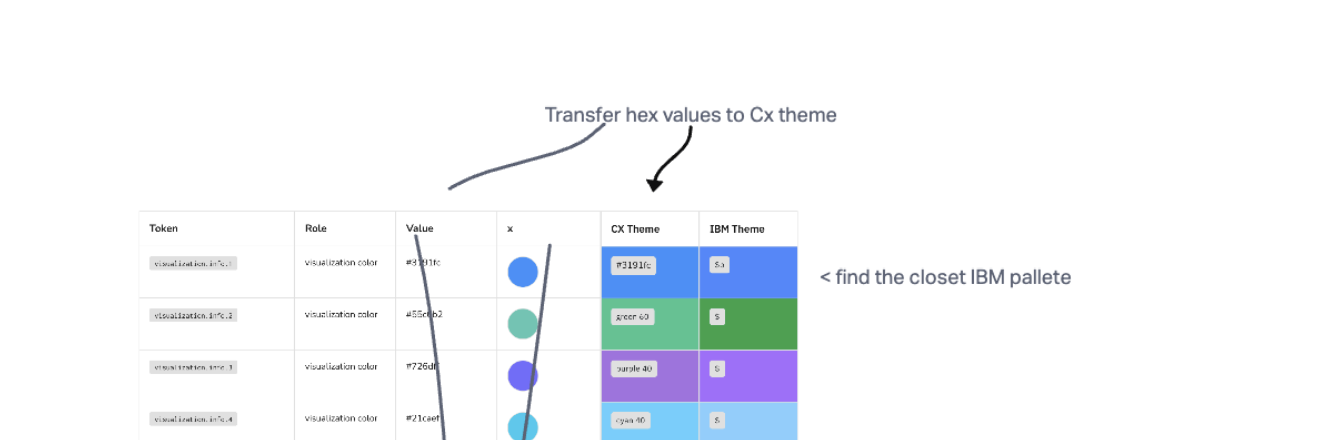
IBM partnered with an external vendor (Cx) whose product needed to be "blue-washed." Re-skinned to look and feel like a native IBM Cloud service using Carbon and Carbon for Cloud.
I led the UI design across the full release schedule: Preview, Experimental, and Beta. This was the most rigorous design systems work I'd done. Putting Carbon and Carbon for Cloud to the test in a real, high-stakes collaboration. I worked closely with the Cx team to review every screen, flag inconsistencies, and share IBM design system knowledge so they could build compliantly. I produced detailed deliverables at a depth the team hadn't attempted in previous re-skinning efforts.
I also created a series of technical diagrams for the documentation library and built assets used during live labs at IBM TechXchange. My manager specifically called out this work when noting that Observability had grown into the second-largest revenue-generating product space in the portfolio. A result that didn't always have a clear strategic vision, but pushed through regardless.
Monitoring, Logging & Security
Three reviews across the portfolio. Roughly half the issues were resolved before launch.
Running these as an early-career designer meant learning to separate signal from noise across dense enterprise interfaces, present findings credibly to senior leadership, and build enough trust with dev teams to get issues resolved, not just documented.
The Monitoring heuristic evaluation stood out. I documented interaction and visual issues across instance details and dashboard interfaces, then proposed updates that fed into the team's improvement backlog. For Sysdig Secure, we conducted 9 user interviews and a full research synthesis, and roughly half the cataloged issues were resolved before the product even launched. Many of those fixes applied across all Observability services.
Owning a flow end-to-end
The first project I owned end-to-end. Three setup steps collapsed into one.
The existing creation flow required users to complete three setup steps before they could even begin the actual task. I organized co-design workshops to rethink it, and we consolidated everything into a single "fast track" flow.
The conditions builder, essentially a rule builder similar to how email filters work, turned out to be one of the trickier interaction design problems I've worked on. Building something flexible enough to handle complex logic while staying intuitive taught me a lot about progressive disclosure and the pyramid principle.
I produced a high-fidelity prototype, prepared and moderated user testing sessions, synthesized the findings, and presented research to stakeholders. The work also resulted in a reusable component contributed to the Carbon for Cloud library: a connected experiences pattern that other teams could adopt.
A visual voice for an enterprise console
From world-page art to a reusable Figma kit now used across IBM Cloud.
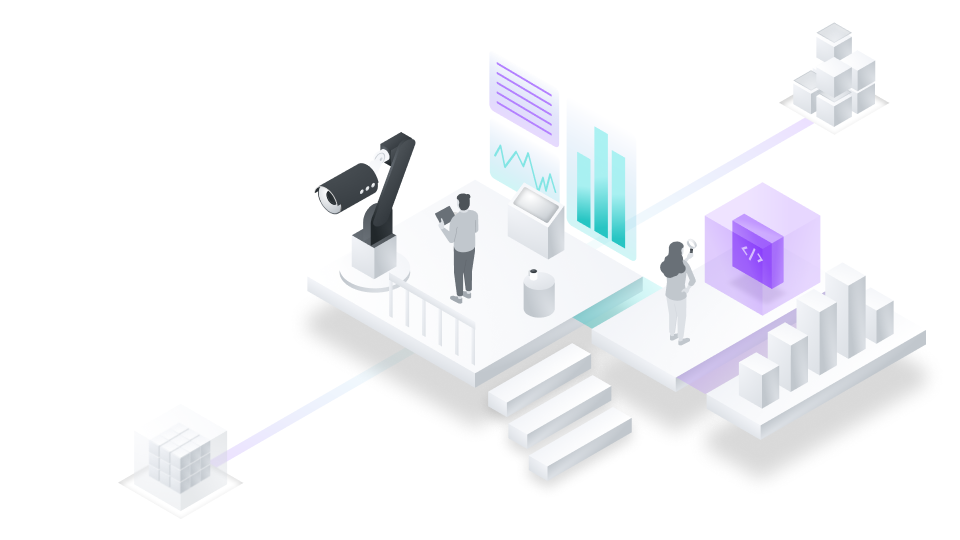
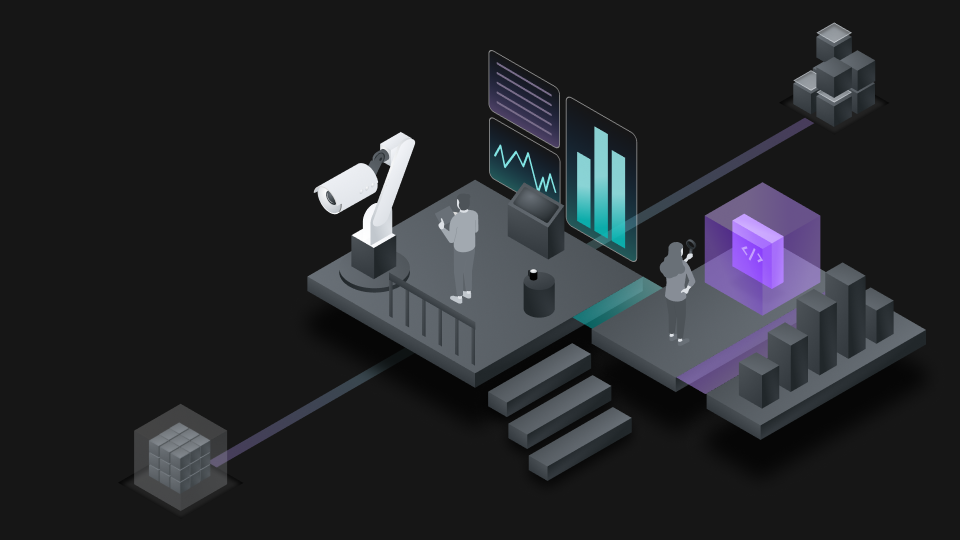
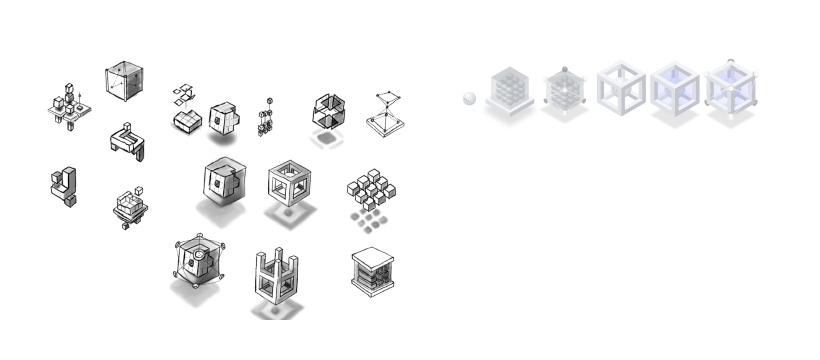
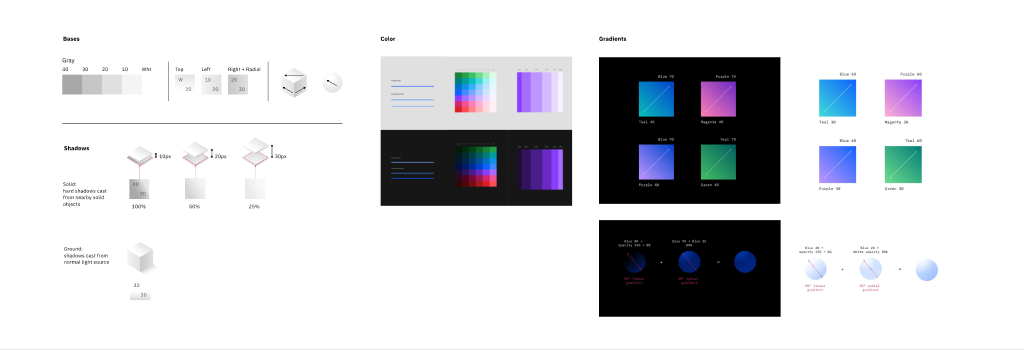
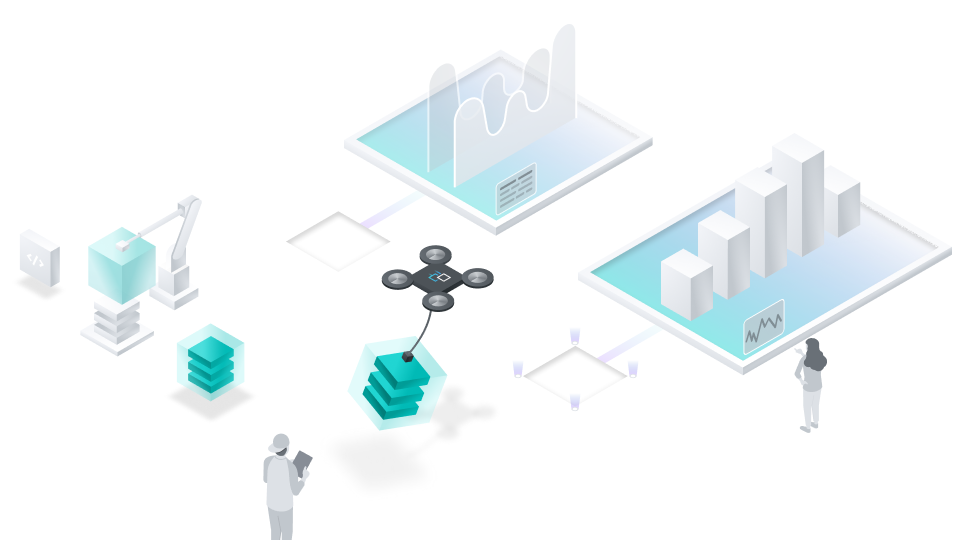
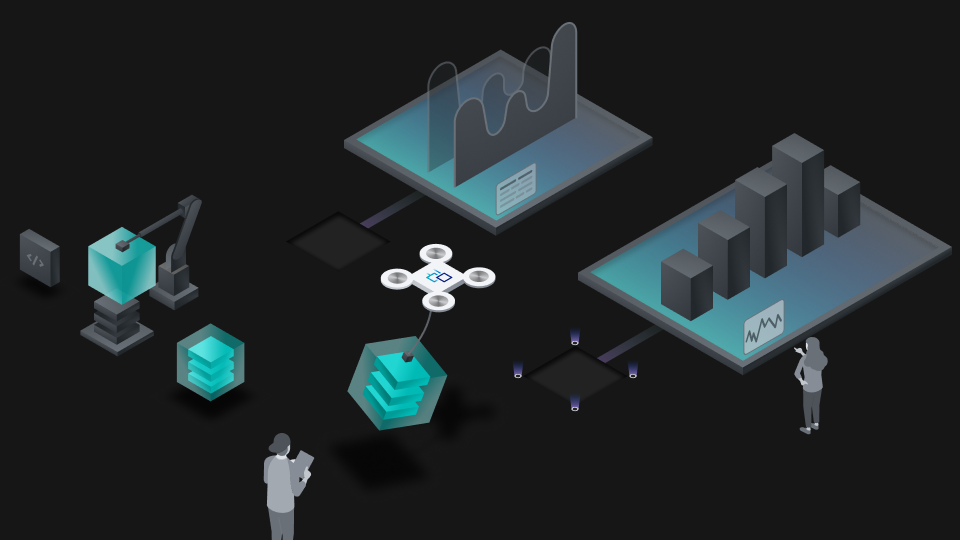
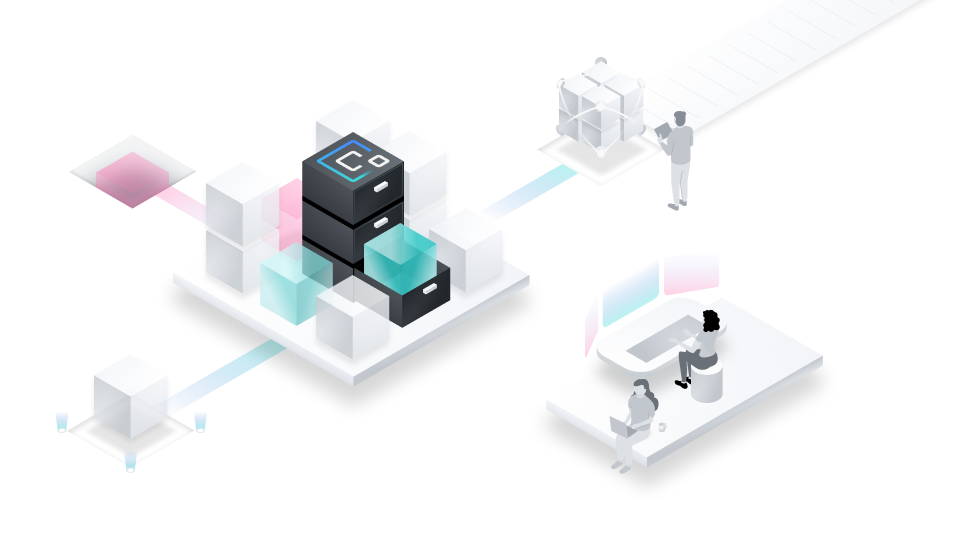
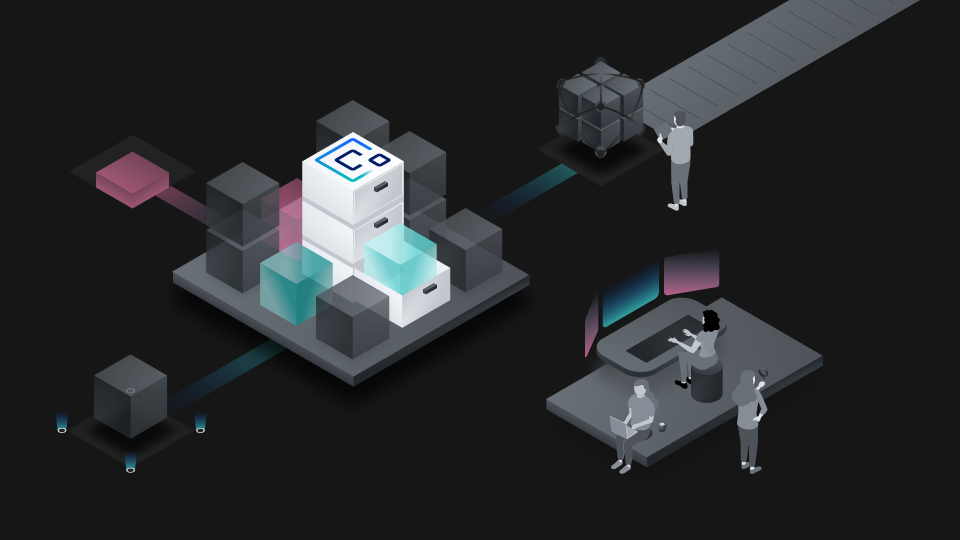
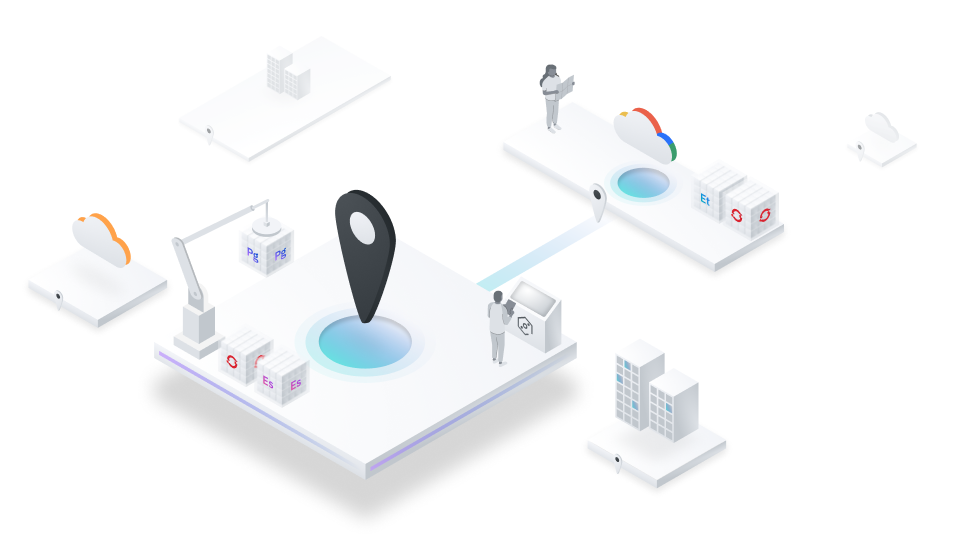
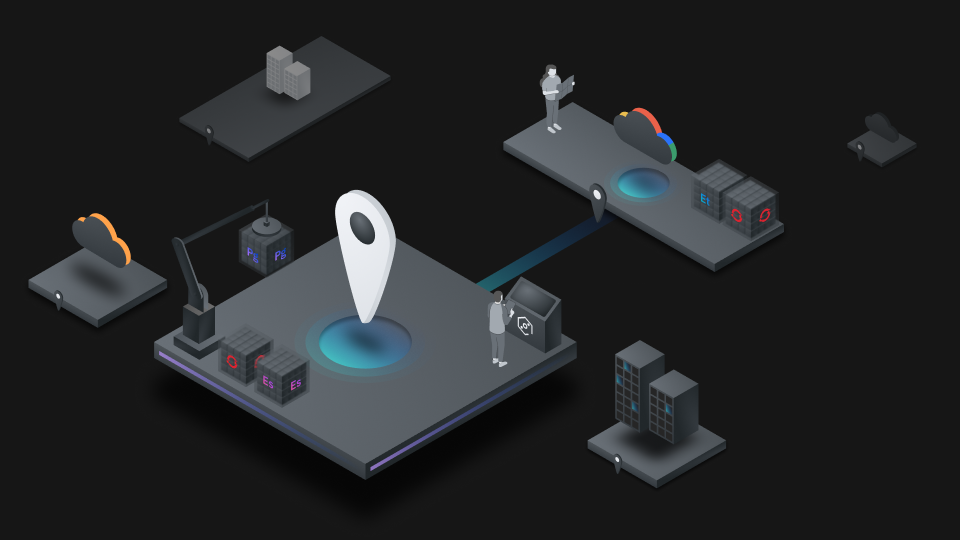
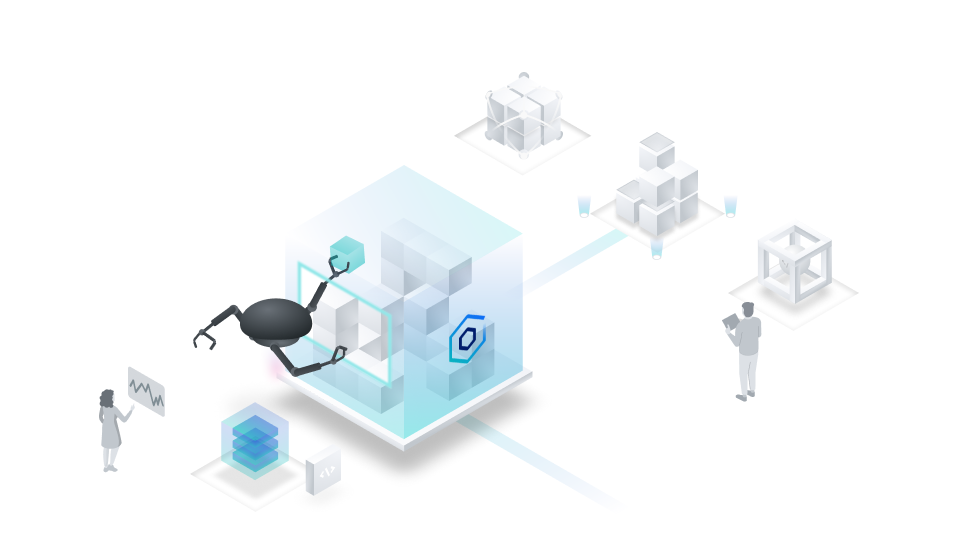
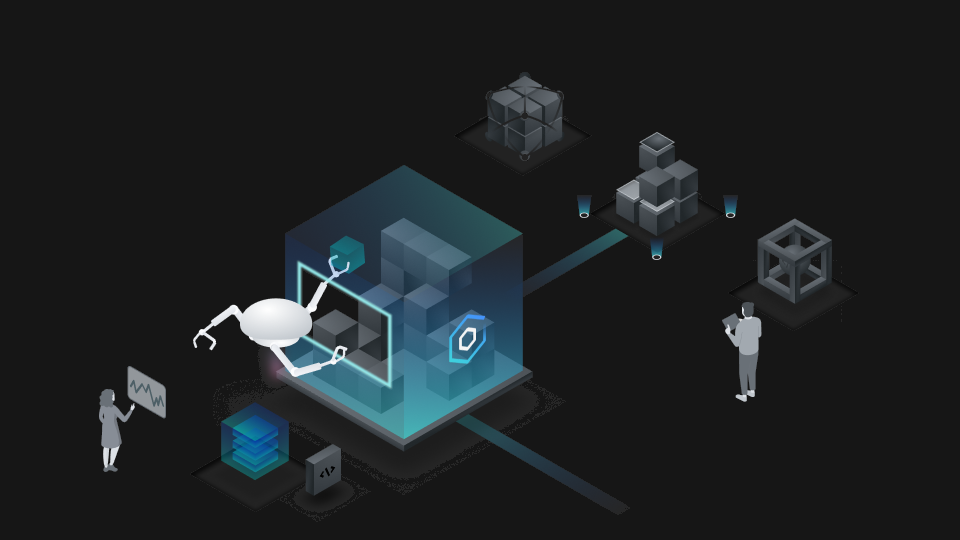
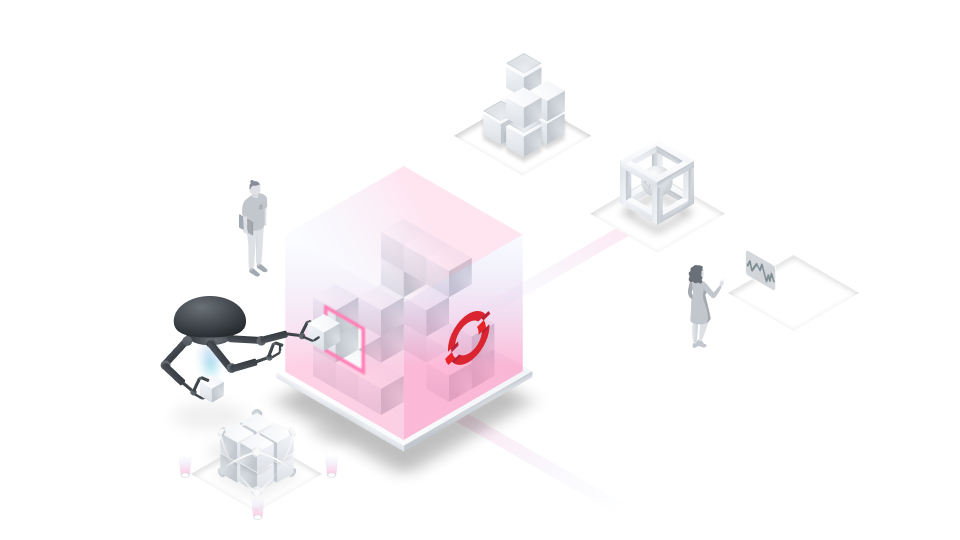
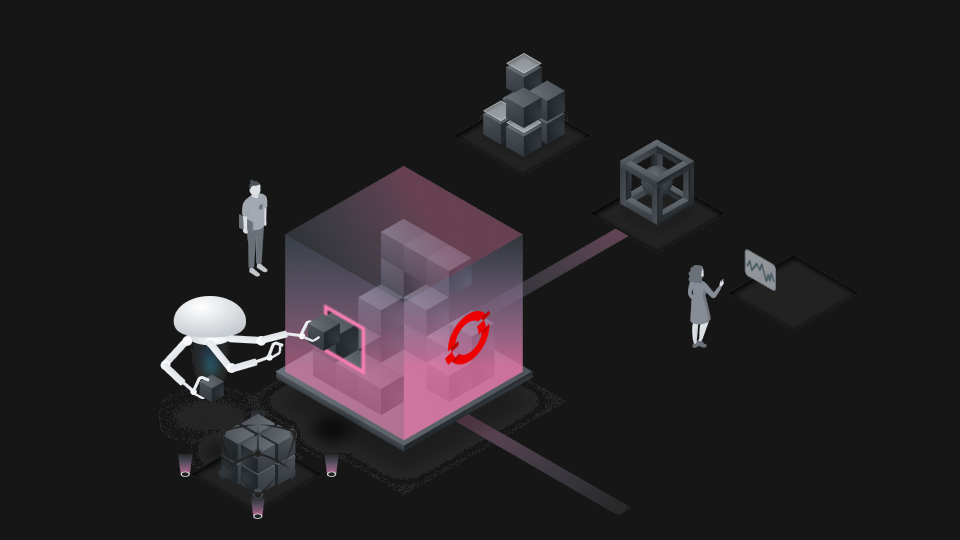
It started with world page illustrations for Observability and grew into co-leading a cross-team illustration workgroup with Developer Services. We built guidelines, ran design jams, and presented the process to the Cloud PAL Design Guild.
By 2022, I was deconstructing the illustration system to build a reusable Figma kit. It made building complex assets faster for other designers, while staying compliant with the style guidelines. That kit and its documentation fed into the broader Cloud Pal 2.0 system now used across IBM Cloud. The work gave Observability products a consistent visual voice inside an otherwise dense enterprise console: empty states, onboarding moments, and brand illustrations that made the experience feel intentional.
What I carried out of Observability
Three years of enterprise reps. Shipping under design system rigor, running reviews with senior leadership, owning end-to-end research, and stitching a visual voice across products that didn't always have one. The cadence and confidence I built here shows up in every project after.